

PRODUCT
-
Pipe Repair Clamp
-
Elbow & Tee Repair Clamp
-
Saddle & Branch Repair Products
-
Fire Pipe Repair Clamp
-
Pipe Couplings & Expansion Joints
-
OEM Pipe Repair Solutions
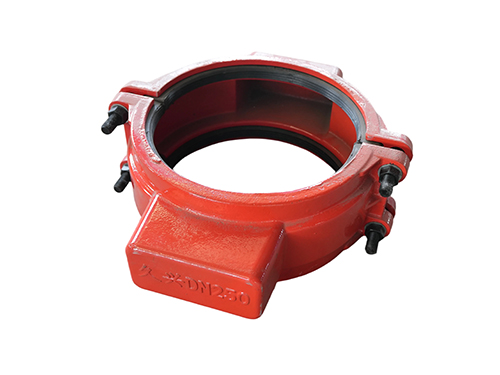
Fire Pipe Clamp
Product Overview
Fire Pipe Clamp is used to support and secure fire protection pipes in commercial, industrial, and building piping systems. It holds the pipe in a fixed position and helps maintain the required alignment of horizontal or vertical pipe runs.
Unlike a pipe repair clamp, which is designed for localized pipeline damage, a fire pipe clamp is primarily used for pipe installation, suspension, positioning, and structural support. It can be incorporated into different fire protection piping layouts according to the pipe size and mounting requirements.
Structure and Features
A typical Fire Pipe Clamp consists of a metal clamp body, fastening bolts, nuts, and connection components for attachment to a support structure. The clamp surrounds or grips the pipe while maintaining a controlled connection between the pipe and its supporting point.
The clamp structure can be designed for different pipe diameters and installation configurations. Material selection may depend on the pipe environment, load requirements, corrosion conditions, and installation location.
Specifications
Fire Pipe Clamp specifications may include nominal pipe diameter, clamp type, material, clamp width, bolt size, connection configuration, and surface protection requirements.
Different designs can be used for horizontal pipe support, vertical pipe fixing, suspended pipe installations, and other fire protection piping arrangements. The selected clamp should be compatible with the pipe dimensions and the supporting structure.
Applications
Fire Pipe Clamp is commonly used in fire sprinkler systems, fire water pipelines, commercial buildings, warehouses, industrial facilities, manufacturing plants, and other fire protection installations.
Typical applications include securing sprinkler pipes, supporting fire water pipe runs, maintaining pipe alignment, and fixing pipelines to building structures. Proper selection should consider pipe diameter, pipe weight, installation orientation, support spacing, environmental conditions, and applicable fire protection requirements.