

PRODUCT
-
Pipe Repair Clamp
-
Elbow & Tee Repair Clamp
-
Saddle & Branch Repair Products
-
Fire Pipe Repair Clamp
-
Pipe Couplings & Expansion Joints
-
OEM Pipe Repair Solutions
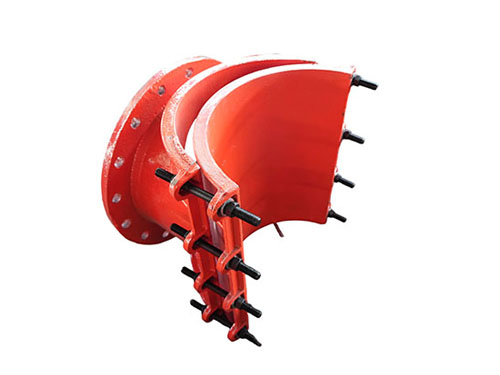
Service Saddle
Product Overview
A Service Saddle is installed on the outside surface of a main pipeline to provide a stable connection point for a smaller branch or service pipe. Its saddle-shaped body follows the curvature of the main pipe and distributes connection forces across the pipe surface.
Depending on the design, a service saddle may include a threaded, flanged, or outlet connection for attaching the service line. A sealing gasket can be incorporated between the saddle and the main pipe to help maintain a leak-resistant connection.
Structure and Connection
The saddle body is designed to match the outside diameter of the main pipe. Fastening components hold the saddle securely against the pipe, while the outlet provides the connection for the service line.
Common configurations may include:
Saddle body with service outlet
Sealing gasket
Bolts and nuts
Threaded outlet
Flanged outlet
Different outlet diameters and connection sizes
The configuration can be selected according to the main pipe diameter, service pipe size, pipe material, and connection requirements.
Specifications
Product Type: Service saddle
Main Pipe Diameter: Available for different pipe sizes
Service Outlet Size: Configurable according to branch pipe dimensions
Body Material: Selected according to pipeline application
Sealing: Rubber or elastomer gasket
Fastening: Bolted connection
Outlet Type: Threaded or flanged options
Surface Treatment: Configurable according to service environment
Connection Configuration: Available according to pipeline requirements
Applications
Service Saddle can be used for:
Water distribution pipelines
Service pipe connections
Municipal water systems
Industrial water pipelines
Utility pipeline connections
Branch line installation
Pipeline distribution systems
When selecting a Service Saddle, the main pipe outside diameter, outlet diameter, pipe material, connection type, operating pressure, and installation conditions should be considered to ensure proper fit and sealing.